In the world of modern architecture and interior design, patch fittings play a crucial role in creating sleek, functional, and aesthetically pleasing glass doors. As a leading supplier of patch fittings, I am often asked about how these essential components work. In this blog post, I will delve into the intricacies of patch fittings, explaining their functionality, types, installation process, and the benefits they offer.
Understanding the Basics of Patch Fittings
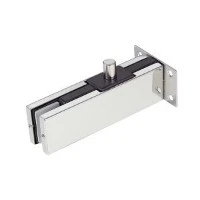
Patch fittings are hardware devices used to attach glass panels to door frames, hinges, or other structural elements. They are designed to provide a secure and stable connection while allowing the glass to move smoothly and freely. Patch fittings are commonly used in frameless glass doors, which are popular in commercial and residential settings due to their contemporary look and ability to maximize natural light.
The basic components of a patch fitting include a base plate, a top plate, and a connecting mechanism. The base plate is typically attached to the glass panel using specialized adhesive or mechanical fasteners. The top plate is then connected to the base plate, either directly or through a hinge mechanism. The connecting mechanism allows the glass panel to pivot or slide, depending on the design of the door.
Types of Patch Fittings
There are several types of patch fittings available on the market, each designed for specific applications and door configurations. Here are some of the most common types:
- Frameless Glass Door Patch Fittings: These fittings are specifically designed for frameless glass doors, providing a clean and seamless look. They are available in a variety of styles and finishes to match the design of the door and the surrounding environment.
- Dorma Universal Patch Fittings: Dorma is a well-known brand in the hardware industry, and their universal patch fittings are designed to be compatible with a wide range of glass thicknesses and door configurations. They offer a high level of flexibility and ease of installation.
- Patch Fitting Glass Door Details: These fittings include all the necessary components for a complete glass door installation, such as hinges, handles, and locks. They are often used in commercial applications, where a high level of security and functionality is required.
- Dorma Patch Fittings: Dorma offers a range of patch fittings specifically designed for their own door systems. These fittings are engineered to provide a perfect fit and optimal performance, ensuring the long-term reliability of the door.
- Bottom Patch Fitting: As the name suggests, bottom patch fittings are installed at the bottom of the glass panel to provide additional support and stability. They are commonly used in heavy or large glass doors, where extra reinforcement is needed.
How Patch Fittings Work
The functionality of patch fittings depends on their design and the specific application. In general, patch fittings work by creating a secure connection between the glass panel and the door frame or other structural elements. Here is a step-by-step explanation of how patch fittings work:
- Installation: The first step in using patch fittings is to install them on the glass panel and the door frame. This typically involves drilling holes in the glass and the frame, applying adhesive or using mechanical fasteners to attach the base plate to the glass, and then connecting the top plate to the base plate.
- Alignment: Once the patch fittings are installed, it is important to ensure that the glass panel is properly aligned with the door frame. This may involve adjusting the position of the fittings or using shims to ensure a tight and even fit.
- Operation: After the glass panel is aligned, the patch fittings allow the door to open and close smoothly. The connecting mechanism, such as a hinge or a pivot, allows the glass to move freely while maintaining a secure connection to the frame.
- Maintenance: To ensure the long-term performance of patch fittings, it is important to perform regular maintenance. This may include cleaning the fittings, lubricating the moving parts, and checking for any signs of wear or damage.
Benefits of Using Patch Fittings
There are several benefits to using patch fittings in glass door installations. Here are some of the key advantages:


- Aesthetics: Patch fittings provide a clean and modern look, allowing the glass to be the focal point of the door. They are available in a variety of styles and finishes, making it easy to match the design of the door and the surrounding environment.
- Functionality: Patch fittings offer a high level of functionality, allowing the glass door to open and close smoothly and securely. They are designed to withstand heavy use and provide long-term reliability.
- Safety: Patch fittings are designed to meet strict safety standards, ensuring the safety of the users. They are typically made from high-quality materials and are tested to ensure their strength and durability.
- Versatility: Patch fittings are available in a variety of sizes and configurations, making them suitable for a wide range of glass door applications. They can be used in both commercial and residential settings, and can be customized to meet the specific needs of the project.
Installation Process
The installation process for patch fittings can vary depending on the type of fittings and the specific application. However, here is a general overview of the installation process:
- Prepare the Glass: Before installing the patch fittings, it is important to prepare the glass panel. This may involve cleaning the glass, marking the location of the holes, and drilling the holes using a specialized glass drill bit.
- Install the Base Plate: Once the glass is prepared, the base plate can be installed. This typically involves applying adhesive to the base plate and pressing it onto the glass. The base plate should be aligned with the holes in the glass and held in place until the adhesive dries.
- Install the Top Plate: After the base plate is installed, the top plate can be connected to the base plate. This may involve using screws, bolts, or other mechanical fasteners. The top plate should be aligned with the base plate and tightened securely.
- Install the Hinge or Pivot: If the patch fittings include a hinge or a pivot, it should be installed at this stage. The hinge or pivot should be aligned with the top and base plates and tightened securely.
- Test the Door: Once the patch fittings are installed, it is important to test the door to ensure that it opens and closes smoothly. The door should be checked for any signs of misalignment or binding, and any necessary adjustments should be made.
Conclusion
Patch fittings are an essential component of modern glass door installations, providing a secure and stable connection while allowing the glass to move smoothly and freely. As a supplier of patch fittings, I am committed to providing high-quality products and excellent customer service. If you are interested in learning more about patch fittings or would like to discuss your specific needs, please do not hesitate to contact me. I look forward to the opportunity to work with you and help you create the perfect glass door for your project.
References
- Architectural Hardware Handbook
- Glass Door Installation Guide
- Dorma Product Catalog