Are patch fittings environmentally friendly? As a patch fittings supplier, I've been asked this question quite a few times. So, let's dive right in and take a look at the environmental side of patch fittings.
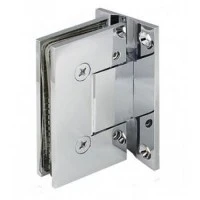
First off, what are patch fittings? Well, they're those cool little fixtures that are used to attach glass in things like glass doors, partitions, and more. For example, Patch Fittings For Glass Doors Ozone are specifically designed for glass doors. They're pretty handy and can give a modern and sleek look to any space.
Now, when it comes to the environmental friendliness of patch fittings, there are a few things we need to consider. Material is a biggie. Most patch fittings are made from metals like stainless steel or brass. Stainless steel is actually quite eco - friendly. It's highly recyclable, which means at the end of its life cycle, it can be melted down and made into new products. This reduces the need for virgin materials extraction. Extraction of new materials is a resource - intensive process that often has a negative impact on the environment, like deforestation, habitat destruction, and water pollution.
Brass is another common material for patch fittings. It also has a good recyclability rate. Many brass patch fittings are made from recycled brass, which is a great thing. It saves energy and reduces waste. When compared to producing new brass from scratch, recycling brass uses significantly less energy. So, from a material perspective, patch fittings generally have a decent environmental footprint.
But it's not just about the materials. The manufacturing process also plays a crucial role. Good quality patch fittings are usually made in facilities that follow strict environmental regulations. These facilities are often required to control their emissions, manage waste properly, and use energy - efficient equipment. As a supplier, I make sure that the patch fittings I offer are produced in such environmentally conscious factories.
For instance, Patch Fitting Glass Door Details give you an idea of the high - quality construction of these fittings. High - quality manufacturing means that the patch fittings are durable. And durability is a key factor in environmental friendliness. If a patch fitting is well - made, it will last a long time. This reduces the need for frequent replacements, which in turn reduces waste.
Another aspect is transportation. We're all aware that shipping products around the world has an environmental impact due to the fuel consumption of transport vehicles. As a supplier, I try to keep this in mind. I work with shipping partners who are committed to reducing their carbon emissions. For example, some shipping companies are using more fuel - efficient vessels or exploring alternative fuels.
Let's talk about the different types of patch fittings. Bottom Patch Fitting is used at the bottom of glass structures. It's designed to be strong and stable. The fact that it's built to last means that it won't need to be replaced often. This is good for the environment because less product turnover means less waste.
Patch Fitting Glass Partition is another type. These are used to separate spaces while still allowing light to pass through. Glass partitions are popular in modern office and interior design. When the patch fittings used for these partitions are of high quality, they enhance the overall lifespan of the partition. And a longer - lasting partition reduces the environmental impact associated with replacing them frequently.


Glass Patch Fittings in general are widely used in various applications. When they are made from recyclable materials and are part of a well - produced product, they contribute to a more sustainable approach to construction and interior design.
Now, it's important to note that there are always areas for improvement. The industry as a whole can continue to work on reducing its environmental impact. For example, more research can be done on developing even more energy - efficient manufacturing processes or finding new, more sustainable materials.
In conclusion, patch fittings can be considered environmentally friendly to a large extent. Their recyclable materials, durability, and the efforts of manufacturers and suppliers to reduce their environmental impact all play a part. If you're someone who is conscious about the environment and is in the market for patch fittings, you can rest assured that the right choices can be made.
If you're interested in purchasing high - quality and environmentally friendly patch fittings, I'd love to have a chat with you. Whether you're working on a small home project or a large commercial build, I can help you find the right patch fittings for your needs. Just reach out, and we can start the conversation about how to make your next project not only stylish but also eco - friendly.
References
General knowledge about material recyclability and environmental impact of manufacturing processes.
Observations from the patch fittings industry regarding manufacturing and transportation practices.