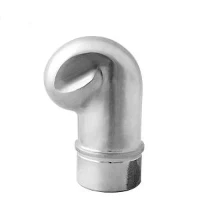
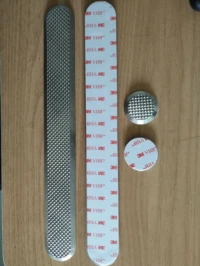
Hey there! As a supplier of tactile strips, I often get asked if these nifty products can be used in warehouses. Well, you bet they can! In this blog post, I'm gonna break down why tactile strips are a great addition to warehouse settings and explore some of the key benefits and applications.
Why Tactile Strips in Warehouses?
Warehouses are bustling places. There's a constant flow of people, forklifts, and various types of machinery. With all this activity, safety is a top concern. That's where tactile strips come in. They're like silent safety guardians, helping to reduce the risk of accidents and making the workplace a lot safer for everyone.
One of the main reasons tactile strips are so useful in warehouses is their ability to provide clear visual and tactile cues. They can be easily spotted by workers, even from a distance, and their unique texture can be felt underfoot, alerting people to potential hazards or specific areas of interest.
Types of Tactile Strips for Warehouses
There are several different types of tactile strips that can be used in warehouses, each with its own specific features and benefits. Let's take a look at some of the most common ones:
-
Hazard Warning Paving: These strips are designed to warn workers of potential hazards such as steps, drops, or changes in surface level. You can find more about them at Hazard Warning Paving. They usually have a bold, contrasting color and a distinct texture that makes them highly visible and easy to feel. For example, if there's a loading dock with a step down, installing hazard warning paving at the edge can prevent workers from accidentally stepping off and getting injured.
-
Tactile Flooring: Tactile flooring can be used in areas where workers need to stand or walk for long periods. It provides good traction, reducing the risk of slips and falls. Check out Tactile Flooring for more details. This type of flooring can also help to improve comfort and reduce fatigue, which is especially important in a warehouse environment where workers are on their feet all day.
-
Tactile Warning Strips: These strips are often used to mark the edges of walkways, aisles, or restricted areas. They can help to guide workers and prevent them from wandering into dangerous or off - limits areas. You can learn more at Tactile Warning Strips. For instance, if there's a section of the warehouse where heavy machinery operates, tactile warning strips can be installed to clearly define the boundary and keep workers safe.


-
Corduroy Hazard Warning Surface: This type of tactile strip has a ribbed or corduroy - like texture. It's great for indicating areas where extra caution is needed, such as near electrical panels or in areas with poor lighting. Head over to Corduroy Hazard Warning Surface to find out more. The distinct texture stands out and provides a clear warning to workers.
-
Tactile Walking Surface Indicators: These are used to guide pedestrians, including those with visual impairments, along walkways. In a warehouse, they can help workers navigate through the facility more safely and efficiently. Learn about Tactile Walking Surface Indicators. For example, if there are long aisles between racks, these indicators can be installed on the floor to lead workers straight to their destination.
Benefits of Using Tactile Strips in Warehouses
Now that we've looked at the different types of tactile strips, let's talk about the benefits they bring to warehouses:
-
Improved Safety: As I've mentioned before, tactile strips are a great way to reduce the risk of accidents in warehouses. By clearly marking hazards and guiding workers, they help to prevent slips, trips, and falls. This not only protects the well - being of employees but also reduces the likelihood of costly workplace injuries and associated legal issues.
-
Enhanced Visibility: The bold colors and unique textures of tactile strips make them highly visible, even in low - light conditions. This is crucial in a warehouse where there may be areas with limited lighting or where workers are wearing safety glasses or goggles that can reduce their peripheral vision.
-
Compliance with Regulations: Many industries have specific safety regulations regarding the use of tactile indicators in workplaces. By installing tactile strips in your warehouse, you can ensure that your facility is compliant with these regulations, avoiding potential fines and penalties.
-
Productivity Boost: When workers feel safe and confident in their environment, they can focus more on their tasks. Tactile strips help to streamline movement within the warehouse, reducing the time wasted on cautious navigation and allowing employees to work more efficiently.
Installation and Maintenance
Installing tactile strips in a warehouse is usually a straightforward process. They can be glued or screwed onto various surfaces, including concrete, asphalt, and wood. However, it's important to ensure that the surface is clean and dry before installation to ensure a good bond.
When it comes to maintenance, tactile strips are generally low - maintenance. Regular cleaning to remove dirt and debris is usually sufficient. However, it's a good idea to periodically check the strips for any signs of damage or wear and replace them if necessary.
Case Studies
Let's take a look at a couple of real - world examples of how tactile strips have been successfully used in warehouses:
-
Case Study 1: A Large Distribution Warehouse
A large distribution warehouse was experiencing a high number of accidents near its loading docks. Workers were often stepping off the edge of the docks, resulting in injuries. The management decided to install hazard warning paving along the edges of the loading docks. After the installation, the number of accidents dropped significantly. Workers were now clearly warned of the edge, and the bold color and texture of the paving made it impossible to miss. -
Case Study 2: A Warehouse with Low - Light Areas
Another warehouse had some areas with poor lighting due to high racking. This made it difficult for workers to navigate safely. Tactile warning strips were installed along the walkways and around hazardous equipment in these areas. The strips not only provided a visual cue but also a tactile one, allowing workers to feel their way around even in the dark. As a result, the number of accidents in these areas decreased, and worker satisfaction increased.
Conclusion
So, as you can see, tactile strips are a fantastic addition to any warehouse. They offer a wide range of benefits, from improving safety and visibility to ensuring compliance with regulations and boosting productivity. Whether you're looking to mark hazards, guide workers, or simply create a safer working environment, there's a tactile strip that's right for your needs.
If you're interested in learning more about our tactile strips or want to discuss a potential purchase for your warehouse, don't hesitate to reach out. We're here to help you find the best solutions for your specific requirements.
References
- Workplace Safety Regulations Handbook
- Studies on the Effectiveness of Tactile Indicators in Industrial Settings