Hey there! As a supplier of tactile strips, I often get asked, "How much do tactile strips cost?" Well, the answer isn't as straightforward as you might think. There are several factors that can influence the price of tactile strips, and in this blog post, I'm going to break them down for you.
Understanding Tactile Strips
First off, let's quickly go over what tactile strips are for those who might not be familiar. Tactile strips are textured surfaces that are installed in public areas to provide tactile cues for people with visual impairments. They can be found at train platforms, the edges of stairways, and in other high - traffic areas. They're a crucial part of making our cities more accessible.
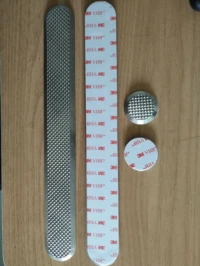
We offer different types of tactile strips on our website, such as Tactile Warning Surface, Tactile Indicator Strips, Tactile Ground Indicators, Tactile Warning Pavers, and Tactile Warning Strips. Each type has its own unique features and uses, which also play a role in determining the cost.
Factors Affecting the Cost of Tactile Strips
Material
One of the biggest factors influencing the cost of tactile strips is the material they're made from. We offer tactile strips in a variety of materials, including rubber, plastic, and concrete.
- Rubber Tactile Strips: Rubber is a popular choice because it's flexible, durable, and easy to install. It can withstand heavy foot traffic and is resistant to weather conditions. However, high - quality rubber can be relatively expensive, which means rubber tactile strips usually come at a higher price point compared to some other materials.
- Plastic Tactile Strips: Plastic is a cost - effective option. It's lightweight and easy to work with, making it a good choice for smaller projects or where budget is a concern. But, it may not be as durable as rubber in some harsh environments.
- Concrete Tactile Strips: Concrete is extremely durable and can last for a long time. It's a good option for outdoor areas with heavy use. However, the production and installation of concrete tactile strips can be labor - intensive, which can drive up the cost.
Size and Thickness
The size and thickness of the tactile strips also matter. Larger strips or strips with greater thickness generally cost more. This is because they require more raw materials and may take longer to manufacture. For example, if you need large - scale tactile strips for a long stretch of a train platform, you can expect to pay more compared to smaller strips for a short stairway.
Design Complexity
Some tactile strips have simple designs, while others may have more intricate patterns. The more complex the design, the higher the cost. Complex patterns may require special manufacturing processes or additional labor to create, which adds to the overall price.
Quantity
As with most products, buying tactile strips in bulk usually results in a lower per - unit cost. If you're a large organization or a contractor working on a big project, purchasing a large quantity of tactile strips can save you a significant amount of money.
Pricing Ranges
It's difficult to give an exact price for tactile strips because of the many variables involved. But generally speaking, here's a rough idea of the pricing ranges:
- Budget - Friendly Options: If you're looking for an affordable option, plastic tactile strips can start at around $5 - $10 per square foot. These are usually basic designs and smaller sizes.
- Mid - Range Options: Rubber and mid - quality concrete tactile strips typically range from $10 - $25 per square foot. They offer a good balance between cost and quality and are suitable for a wide range of applications.
- High - End Options: High - performance rubber or custom - designed concrete tactile strips can cost upwards of $25 per square foot. These are ideal for projects where durability, aesthetics, or complex design are top priorities.
Additional Costs
When considering the cost of tactile strips, don't forget about additional costs such as installation. The installation cost can vary depending on the material, location, and complexity of the project. For example, installing concrete tactile strips may require more specialized equipment and skilled labor compared to plastic strips.
There may also be shipping costs, especially if you're ordering from a location far away. Taxes and any necessary permits can also add to the overall expense.
Conclusion
So, to answer the question, "How much do tactile strips cost?" It really depends on a bunch of factors like the material, size, design, quantity, and additional costs. As a supplier, I'm here to help you find the right tactile strips for your project at a reasonable price.
If you're interested in purchasing tactile strips for your project, whether it's a small building renovation or a large - scale public infrastructure project, I'd love to have a chat with you. We can discuss your specific needs, go over the different options available, and work out a cost - effective solution. Just reach out, and we can start the conversation about getting the best tactile strips for your situation.

References
- Industry research on tactile strip materials and pricing.
- Internal data on manufacturing and installation costs of tactile strips.